Ngorongoro & Eyasi Awakening

Big Five in the crater, dawn with the Hadzabe at Lake Eyasi.

Duration

3 Days

From

$890 pp

Style

Private journey

Overview

Combine the exhilaration of wildlife, home to Africa's legendary Big Five, with deep cultural encounters. This three-day adventure balances the wild grandeur of Ngorongoro Crater with the living traditions of the Hadzabe and Datoga around Lake Eyasi.

Highlights

  • Sunset over Lake Eyasi with the returning fishermen
  • Sunrise hunt with Hadzabe men
  • Datoga blacksmiths at their open-air forge
  • Morning game drive inside Ngorongoro Crater

Day-by-day itinerary

Sample programme. Every journey is private and can be paced or extended to suit you.

Lake Eyasi (Hadzabe & Datoga)

Day 1 · Lake Eyasi (Hadzabe & Datoga)

Arusha to Lake Eyasi

Your guide meets you in Arusha and you make your way south-west, descending through the Karatu highlands into the Rift Valley. The drive is part of the experience, the landscape shifting dramatically as you lose altitude. Arrive at Lake Eyasi by mid-afternoon and enjoy a remarkable sunset on the shore, watching the fishermen come back to their village. Dinner and overnight at Lake Eyasi.

Lake Eyasi is a soda lake in the floor of the Rift Valley and home to the Hadzabe, one of the last hunter-gatherer peoples in Africa, and the Datoga, master blacksmiths whose copper rings the Hadzabe trade for honey.

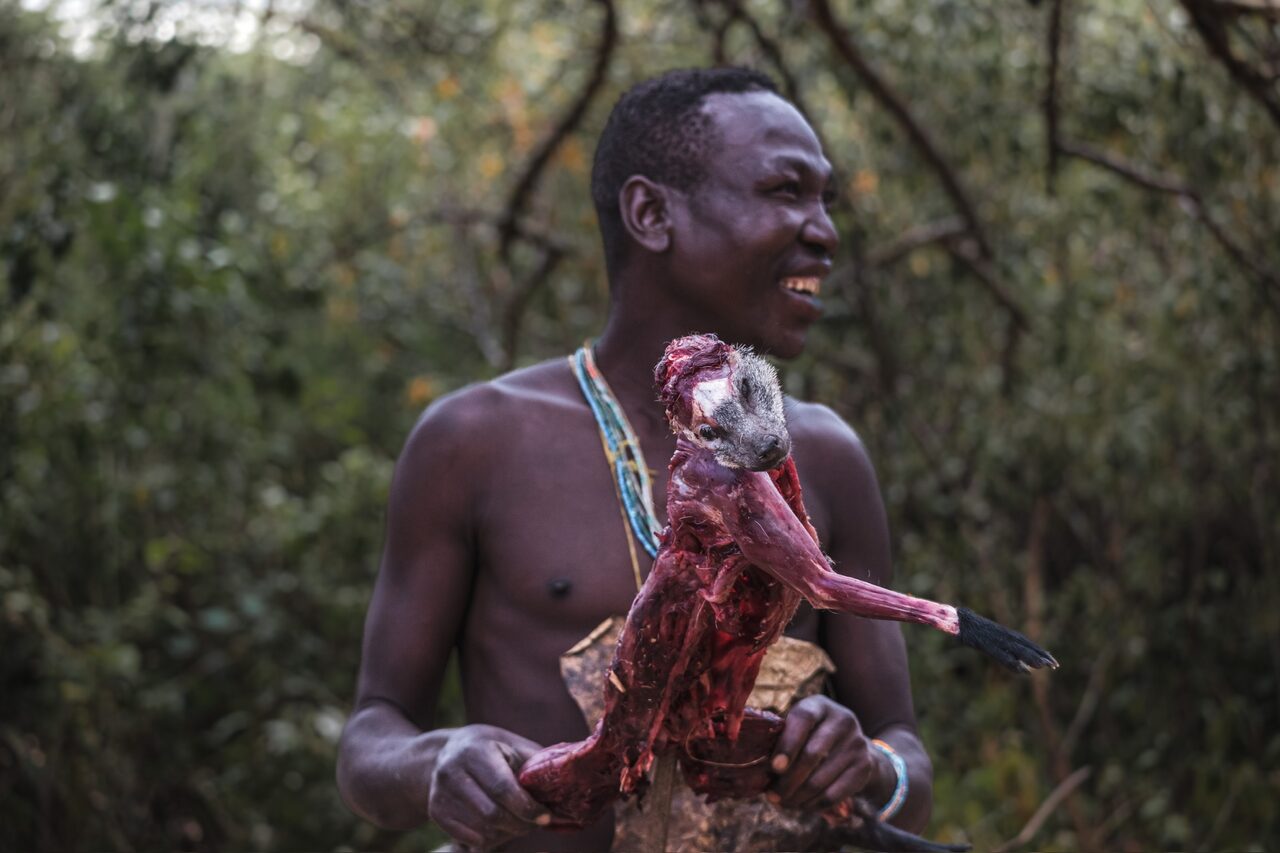
You leave before sunrise with a Hadzabe interpreter to join the men on a real hunt with hand-made bows and poisoned arrows. Later you visit a Datoga compound to see arrows being forged from melted padlocks. It is the most honest cultural visit on the circuit.

Breakfast, Lunch, Dinner~60 km from Karatu, ~1.5 hrs on rough road

Today's plan

  • Early-morning hunt with the Hadzabe (real, not staged)
  • Visit a Datoga blacksmith compound
  • Picnic by the lake shore

Where you sleep tonight

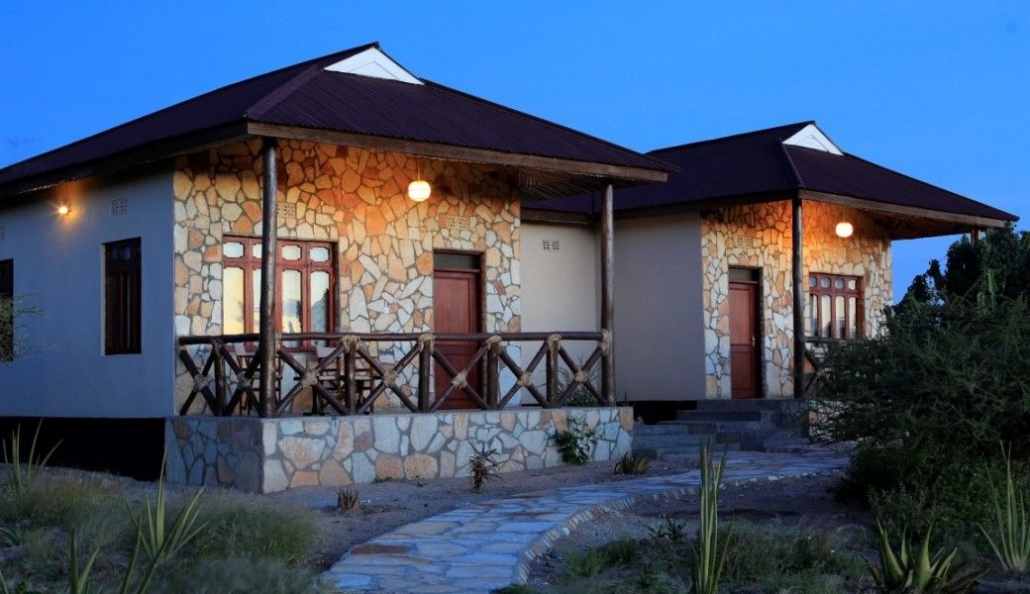
Lake Eyasi Safari Lodge

Lake Eyasi Safari Lodge

Rift Valley lodge, Lake Eyasi

Lake Eyasi (Hadzabe & Datoga)

Day 2 · Lake Eyasi (Hadzabe & Datoga)

With the Hadzabe & Datoga

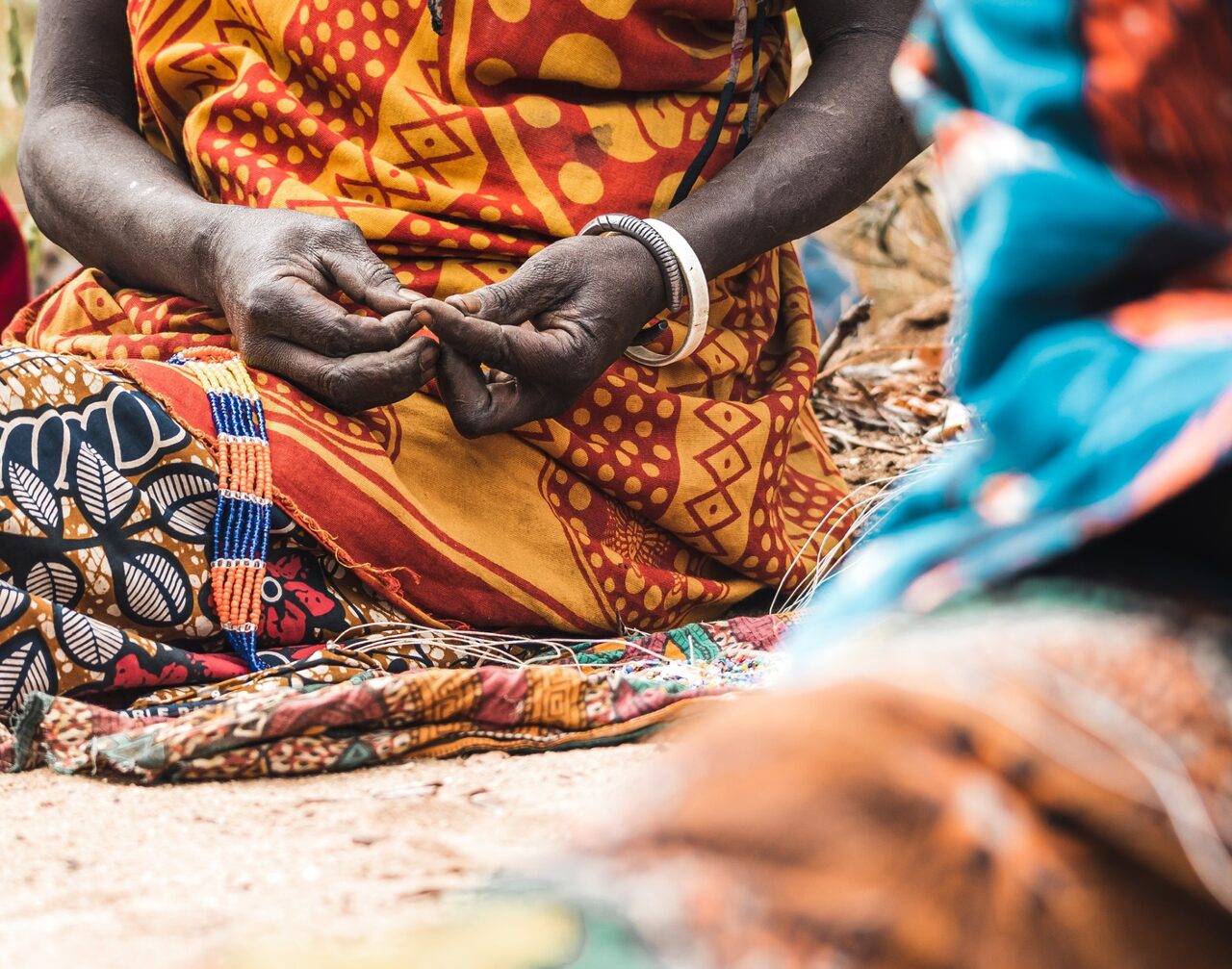
Before sunrise you set out with a group of Hadzabe hunters. This is the heart of the itinerary, and the experience our travellers describe years later as the moment the journey changed something in them. By mid-morning the hunt winds down and you return to the camp to discover village life and meet the families. In the afternoon you visit a Datoga village, neighbours of the Hadzabe and skilled blacksmiths who forge iron tools, arrowheads and jewellery in open-air forges. Dinner and overnight at Lake Eyasi.

Lake Eyasi is a soda lake in the floor of the Rift Valley and home to the Hadzabe, one of the last hunter-gatherer peoples in Africa, and the Datoga, master blacksmiths whose copper rings the Hadzabe trade for honey.

You leave before sunrise with a Hadzabe interpreter to join the men on a real hunt with hand-made bows and poisoned arrows. Later you visit a Datoga compound to see arrows being forged from melted padlocks. It is the most honest cultural visit on the circuit.

Breakfast, Lunch, Dinner~60 km from Karatu, ~1.5 hrs on rough road

Today's plan

  • Early-morning hunt with the Hadzabe (real, not staged)
  • Visit a Datoga blacksmith compound
  • Picnic by the lake shore

Where you sleep tonight

Lake Eyasi Safari Lodge

Lake Eyasi Safari Lodge

Rift Valley lodge, Lake Eyasi

Ngorongoro Crater

Day 3 · Ngorongoro Crater

Ngorongoro Crater & return to Arusha

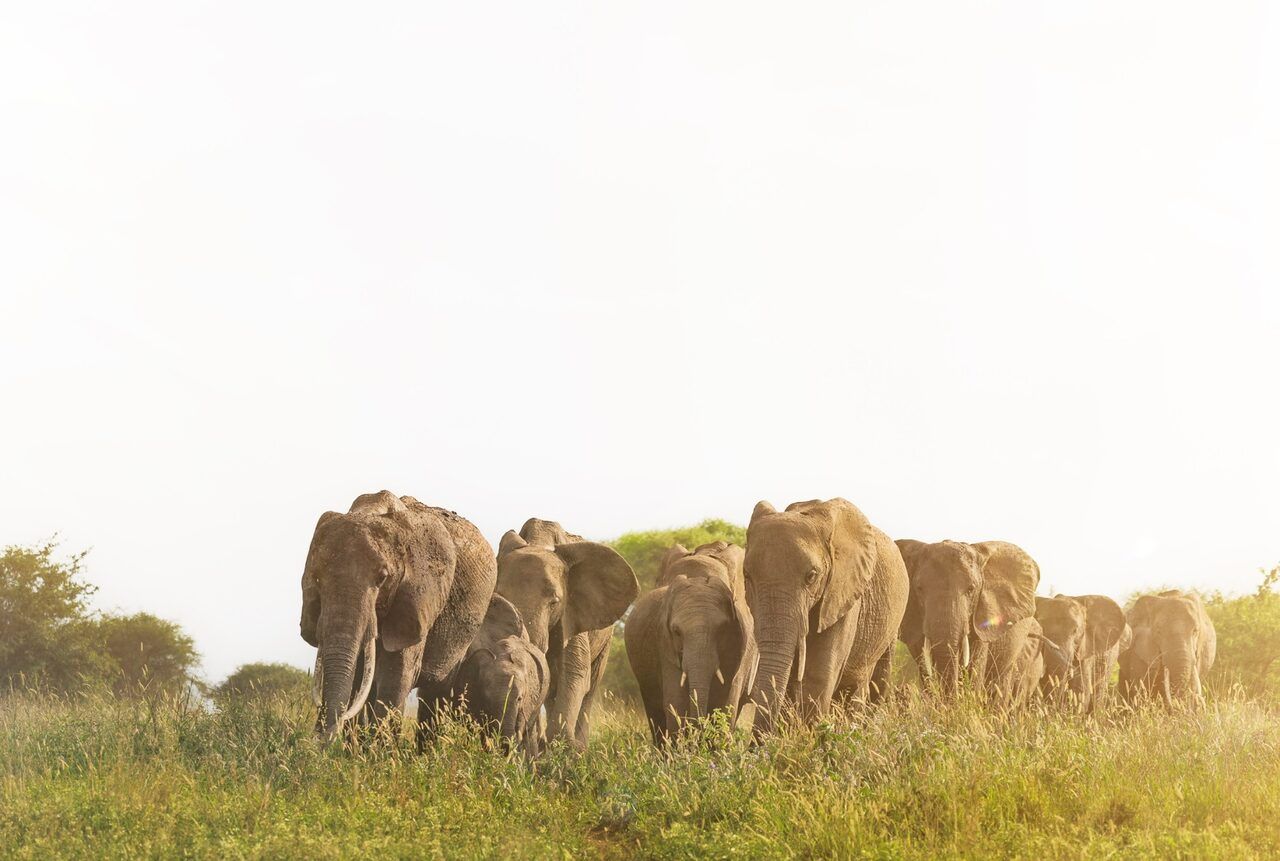
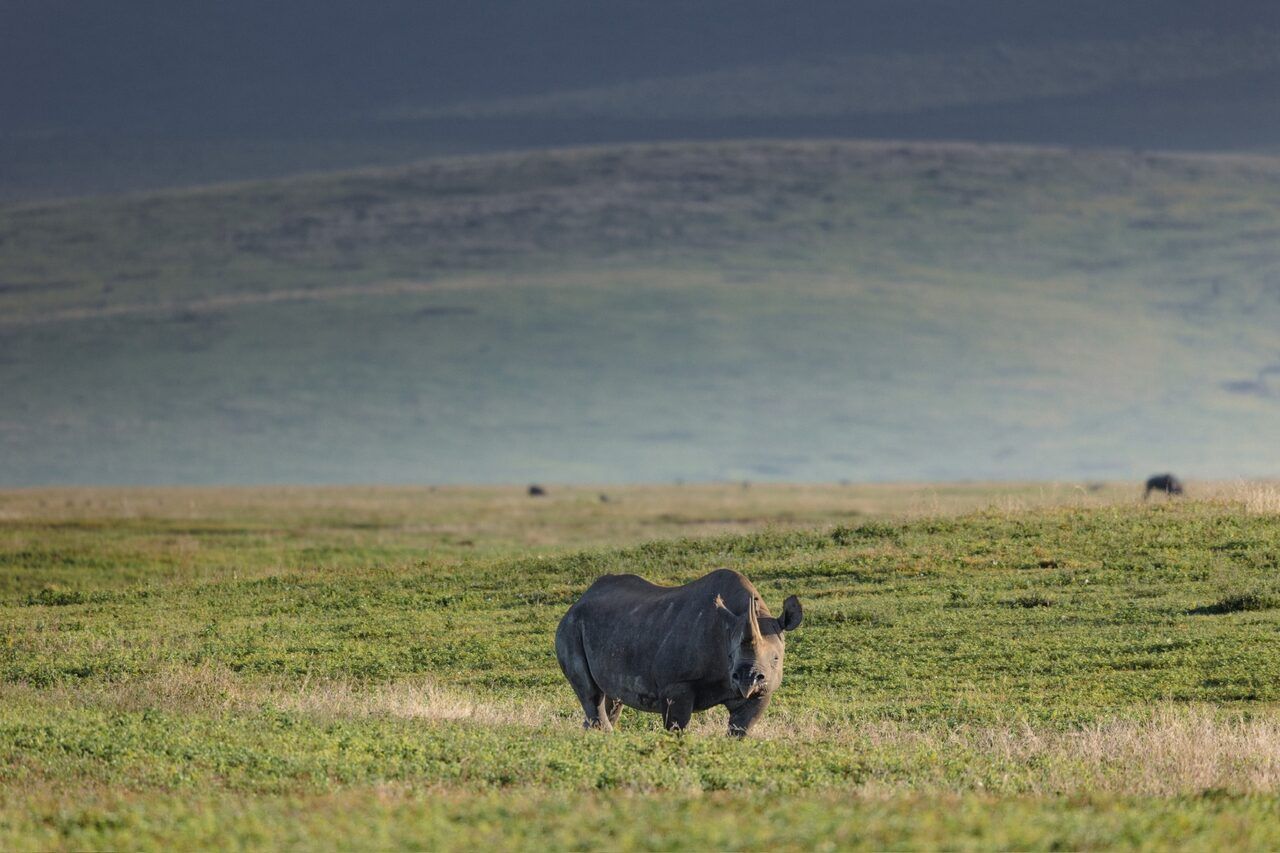
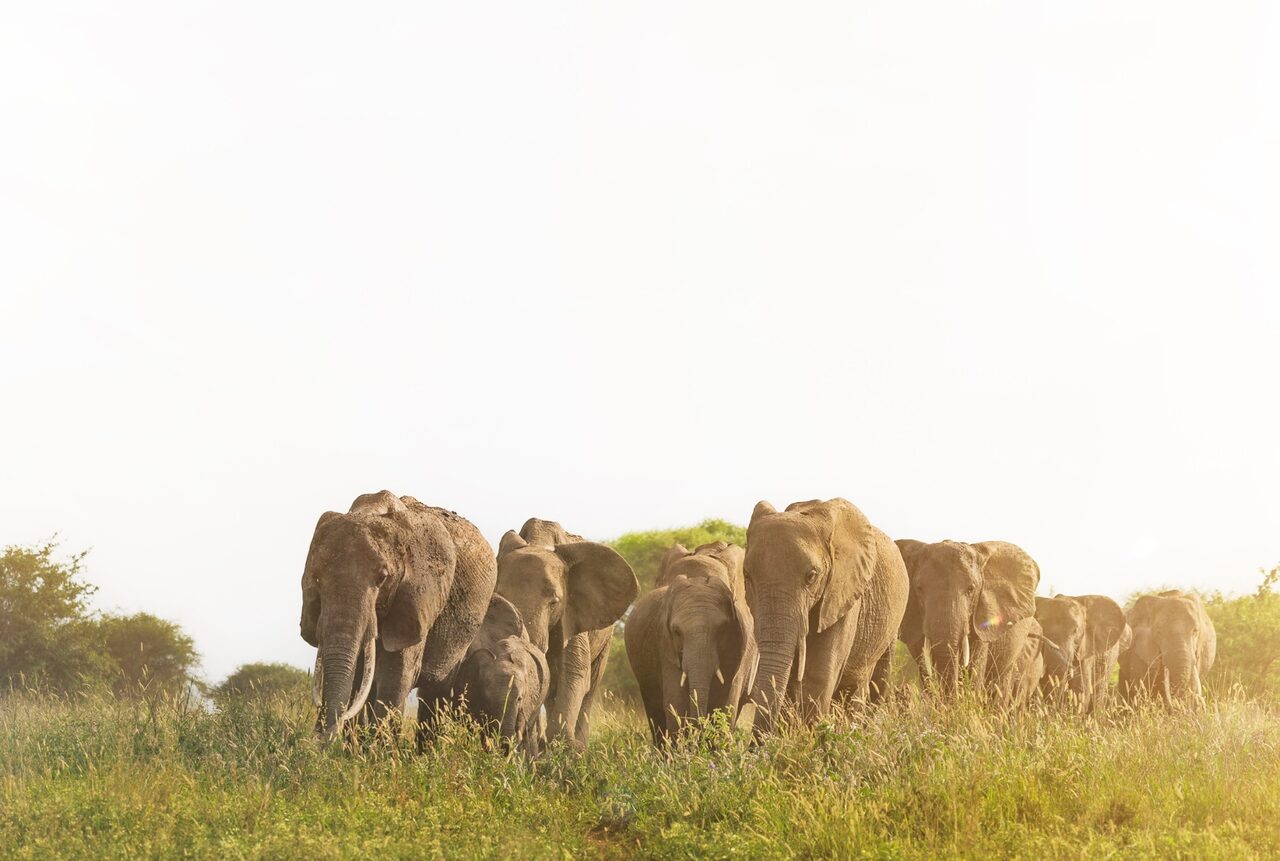
Drive north from Lake Eyasi, ascending through the Karatu highlands toward the Ngorongoro Conservation Area. Descend into the crater for a morning game drive, 260 square kilometres of enclosed savanna sheltering over 25,000 animals: lions, elephants, hippos, wildebeest, zebra and the rare black rhino in a single extraordinary space. After the crater, we drive back to Arusha.

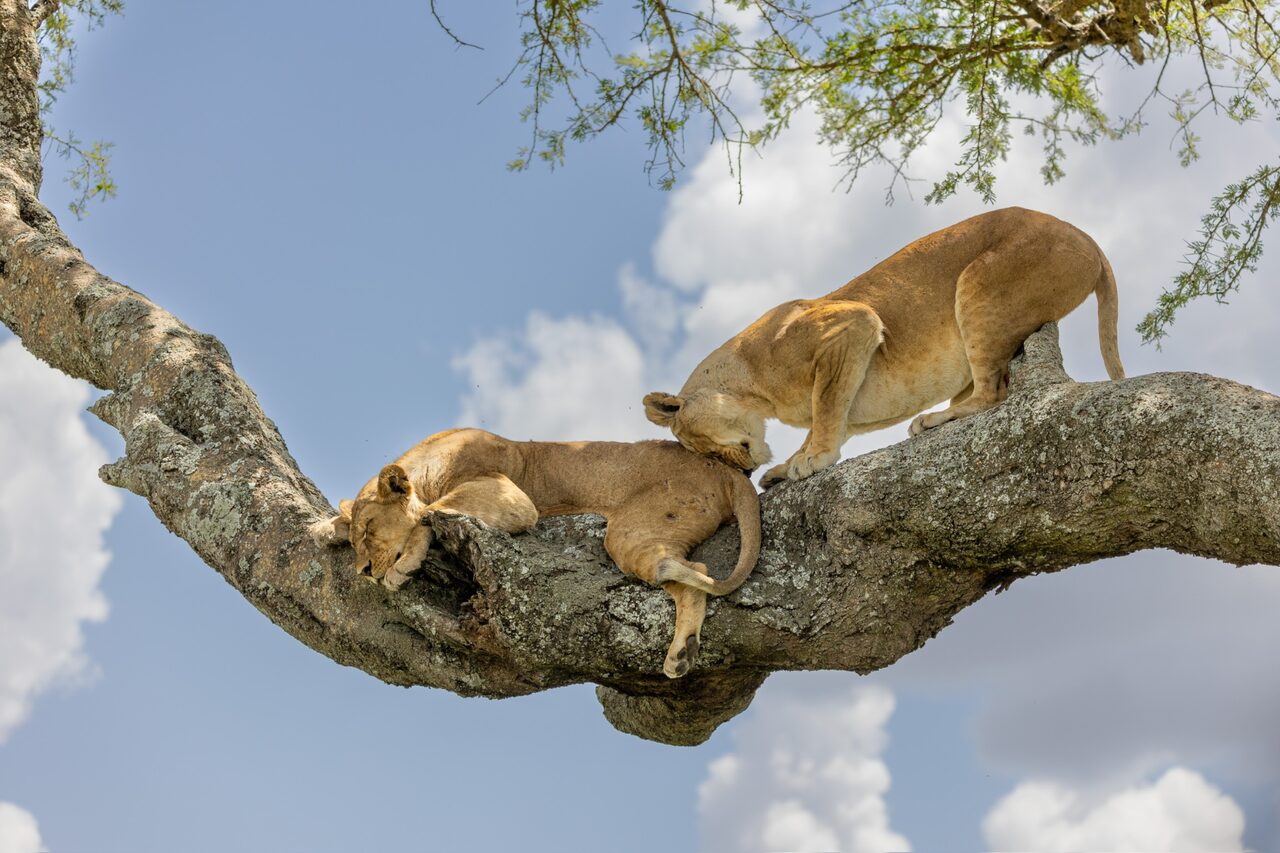
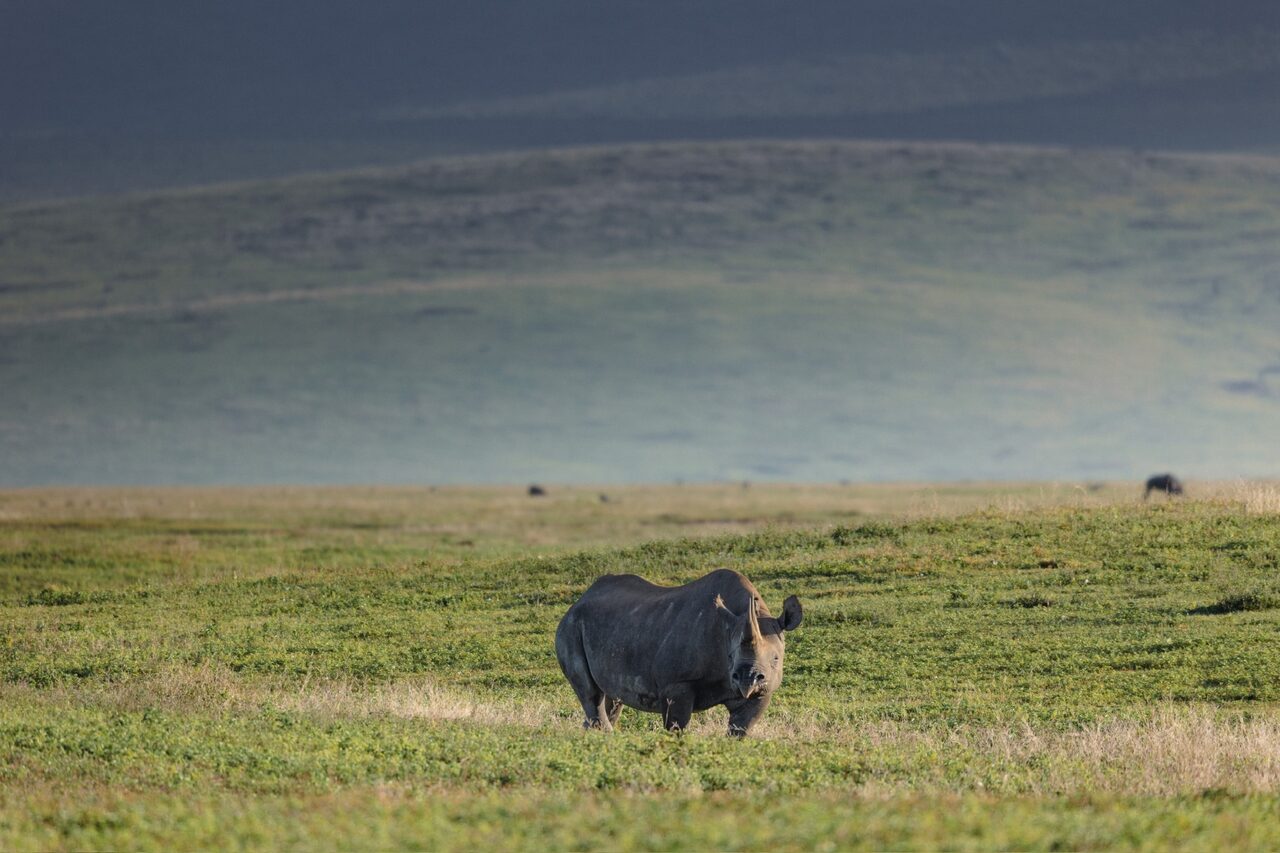
The Ngorongoro Crater is a 260 km² collapsed caldera with 600 m walls, and the highest density of large mammals on Earth. Inside the crater floor live around 25,000 large animals, including the densest population of black-maned lions and one of the last strongholds of the eastern black rhino.

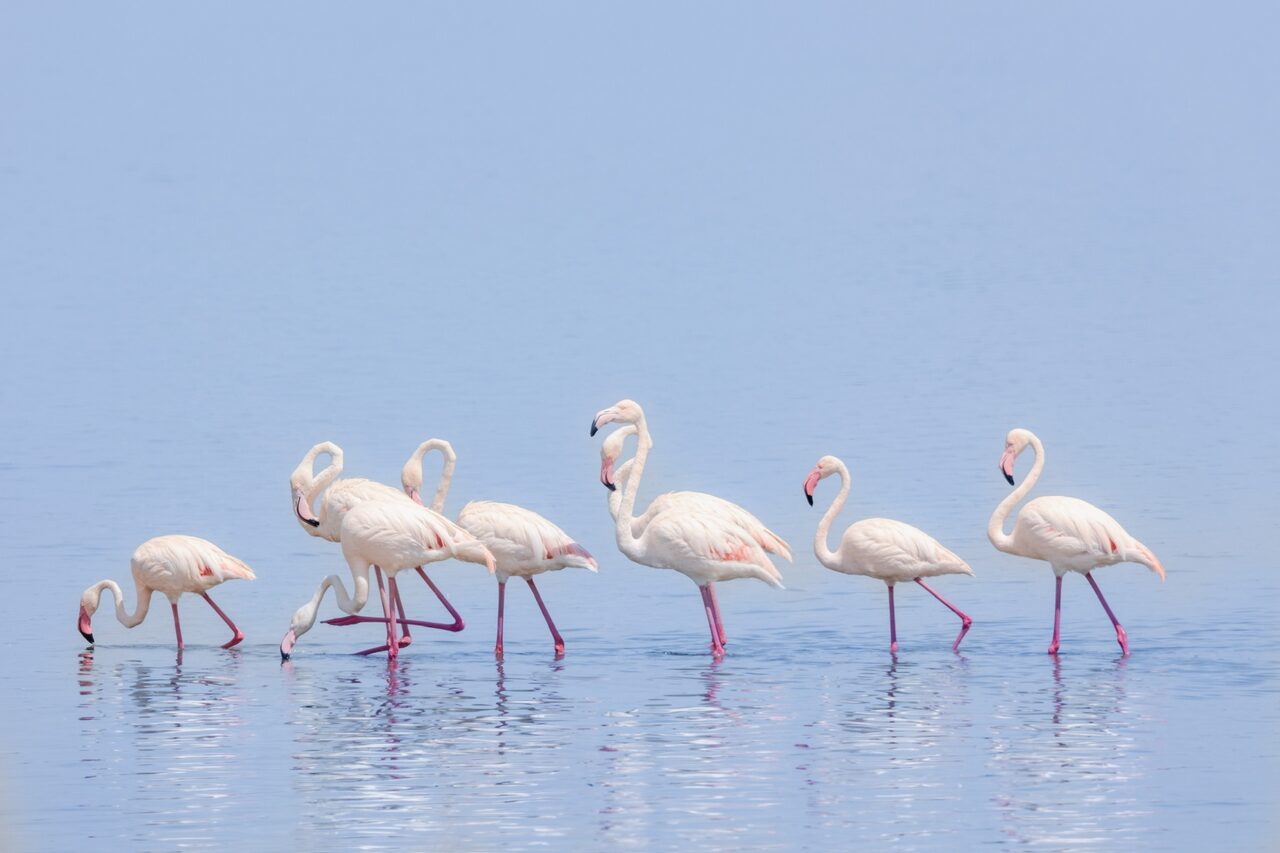
We descend at first light when the floor is still in shadow and the cats are working. A picnic breakfast on the rim, a full morning circuit past the soda lake's flamingos and Lerai Forest's elephants, then a climb back up the escarpment in time for a late lunch.

Breakfast, Lunch, DinnerCrater floor circuit ~6 hrs, 4×4 onlyRim 2,400 m, floor 1,800 m

Today's plan

  • Crater descent at first light
  • Search for the Big Five including black rhino
  • Picnic breakfast on the crater floor
  • Lerai Forest elephants and Munge soda flats

Route map

Ngorongoro & Eyasi Awakening, route

  1. 1Arusha
  2. 2Ngorongoro

What makes this trip special

Private journey

Your own vehicle, guide and pace, no shared safari.

Local expertise

Designed and led by Tanzanians who grew up beside these parks.

Photo-friendly

Pop-top vehicles, beanbags on request and unrushed stops at every sighting.

Good to know

Everything you need to plan, pack and travel with confidence.

Best time to travel

Year-round. Peak game viewing runs June to October, when the bush is dry and animals concentrate around water. January to March is the dramatic green season, with wildebeest calving in southern Serengeti and excellent predator action. November is a brief shoulder month with low prices and lush landscapes.

Group size

Designed for 2 to 6 guests in a private 4×4 Land Cruiser with a guaranteed window seat for everyone. Families, honeymooners and small friend groups are our sweet spot. Larger parties travel in additional vehicles, never with strangers.

Physical rating

Easy. Days are spent in the vehicle with comfortable lodge or tented camp accommodation. Optional walking safaris are graded separately and require basic fitness.

Getting there

Fly into Kilimanjaro International Airport (JRO), which is served by KLM, Qatar, Turkish, Ethiopian, Kenya Airways and Precision Air. We meet you at the gate and handle every transfer for the rest of the trip.

Visa & entry

USD 50 single-entry e-visa for most nationalities, applied for online at eservices.immigration.go.tz at least two weeks before travel. US passport holders need the USD 100 multiple-entry visa.

Currency & payments

US dollars (post-2009 bills only) are widely accepted; Tanzanian shillings for small purchases. Major lodges accept Visa and Mastercard but a small surcharge may apply.

Electricity

230 V, UK-style three-pin plugs (Type G). Most camps have charging in the main area; bring a universal adapter.

Connectivity

4G coverage across Arusha and Zanzibar, intermittent in the Serengeti and Ngorongoro. Most lodges have Wi-Fi in the main lounge. A local Vodacom or Airtel SIM is cheap and easy to buy at the airport.

Tipping guidance

A guideline, not an obligation. Around USD 25 per guest per day for your driver-guide and USD 10 per day for lodge staff (collective tip box). On Kilimanjaro, USD 20 to 25 per climber per day for the crew is standard.

Responsible travel

We are a Tanzanian-owned company and 100% of our guides, cooks and office staff are Tanzanian. Park fees flow directly to TANAPA and the Ngorongoro Conservation Area. Our camps follow leave-no-trace principles and we offset every vehicle kilometre through a verified East African reforestation program.

Booking & cancellation

To confirm your booking, a 30% deposit is required. You can make the payment via Revolut, Wise, standard bank transfer (fees vary by bank), or card (which incurs a 4% transaction fee). In case of any cancellations, receive a credit note for the full amount paid. We understand plans can change, so if you need to cancel, we’ve got you covered. You’ll receive a credit note for the amount paid, allowing you to rebook your safari within a generous 2-year timeframe. Explore at your convenience and enjoy the adventure when the time is right for you. The above policy would entirely depend on the accommodations opted for as they may differ.
What to pack

  • Neutral, layered safari clothes (long sleeves help with sun and mosquitoes)
  • A warm fleece for cold mornings on the Ngorongoro rim
  • Closed walking shoes and a wide-brimmed hat
  • Binoculars (8×42 is the safari standard) and a lightweight camera
  • Reef-safe sunscreen and a refillable water bottle
  • Soft duffel bag if flying between camps (15 kg limit)

Health & safety

  • Yellow fever certificate required only if arriving from a yellow fever country
  • Anti-malarial prophylaxis is strongly recommended, consult your travel clinic
  • Travel insurance with medical evacuation cover is mandatory
  • Tap water is not potable, we provide unlimited bottled water in the vehicle

Photography

  • Pop-up roof and beanbags supplied on every vehicle
  • Bring at least a 100-400 mm zoom; a wide angle for landscapes
  • Extra memory cards and a charger that fits the 220 V UK-style plug
  • Drones are prohibited inside national parks without a written permit

Pricing, per person

Rates in USD, sharing twin/double accommodation. Final quote depends on chosen lodges and exact dates.

Solo2 Pax3 Pax4 Pax5 Pax6 Pax
$1,400$1,150-$980-$890

Per person, land-only, including park and conservation fees, private 4×4, driver-guide, accommodation and meals. "-" means that group size is not quoted for this itinerary.

What's included

  • Private 4×4 safari vehicle with pop-up roof
  • Professional local driver-guide (English, French or Spanish on request)
  • All park, crater and conservation fees
  • Accommodation as per itinerary
  • All meals on safari (B/L/D)
  • Bottled drinking water in the vehicle
  • Airport transfers in Arusha
  • Community contribution for cultural visits

Not included

  • International flights
  • Tanzania entry visa (USD 50)
  • Travel and medical insurance
  • Alcohol, soft drinks and personal spending
  • Tips for your guide and camp crew
  • Optional activities (hot-air balloon, walking safari)

Frequently asked

Can the itinerary be customised?+

Yes. Every journey is private and tailor-made. We adapt the routing, the lodges and the pace to your dates, your budget and your interests, from adding a Hadzabe morning to extending onto Zanzibar.

When is the best time to travel?+

June to October gives dry-season game viewing and easy road conditions. January to March is calving season on the southern Serengeti plains. The Lake Eyasi cultural experiences run all year.

Are the prices per person?+

Prices are indicative, land-only and depend on group size, season and accommodation level. Special rates apply for residents of East Africa. Contact us for a personalised quote.

Similar journeys

You may also like